Introduction
In a marketplace flooded with competing offers and endless digital promotions, businesses are constantly searching for ways to capture attention and boost engagement. One time-tested yet continually evolving strategy is leveraging the allure of travel—specifically, integrating European hotel experiences into promotional campaigns. With their reputation for luxury, culture, and accessibility, European hotels present a unique value proposition for marketing incentives. By incorporating hotel vouchers and tailored travel promotions, companies can create memorable incentives that not only attract but also deeply engage customers and partners.
In this article, we'll explore how European hotels can elevate your campaigns, offer practical tips for implementation, and share real-world examples of successful travel-based promotions.
Why European Hotels Make Ideal Marketing Incentives
European hotels conjure images of sophistication, history, and adventure. From the charm of boutique stays in Paris to the cutting-edge comfort of business hotels in Berlin or Barcelona, these properties are appealing to a broad audience. Here's why integrating European hotel stays as incentives works so well:
- Universal Appeal: Europe boasts a wealth of diverse destinations that cater to professionals, couples, and families alike.
- Perceived High Value: A night or weekend at a European hotel is seen as a premium reward, making it more attractive than traditional incentives like gift cards or merchandise.
- Memorable Experiences: Unlike generic prizes, travel experiences create lasting memories, resulting in higher brand recall and loyalty.
- Flexibility: Hotel vouchers offer recipients the freedom to choose when and where they travel, increasing their perceived value and uptake rates.
Types of Travel Promotions Featuring European Hotels
Successful promotional campaigns using European hotels often take several forms:
1. Customer Loyalty Programs
Rewarding existing customers with hotel vouchers is an excellent way to enhance loyalty programs. Tackling both business and leisure travelers, such programs can include:
- Point Accumulation: Customers collect points for purchases, redeemable for hotel stays across Europe.
- Tier-Based Rewards: Premium members receive exclusive hotel experiences, such as spa weekends or city breaks.
Example: A telecommunications company in Spain increased customer retention by 18% over one year by allowing clients to redeem points for weekend getaways in popular European cities.
2. Sales Incentives for B2B Partners
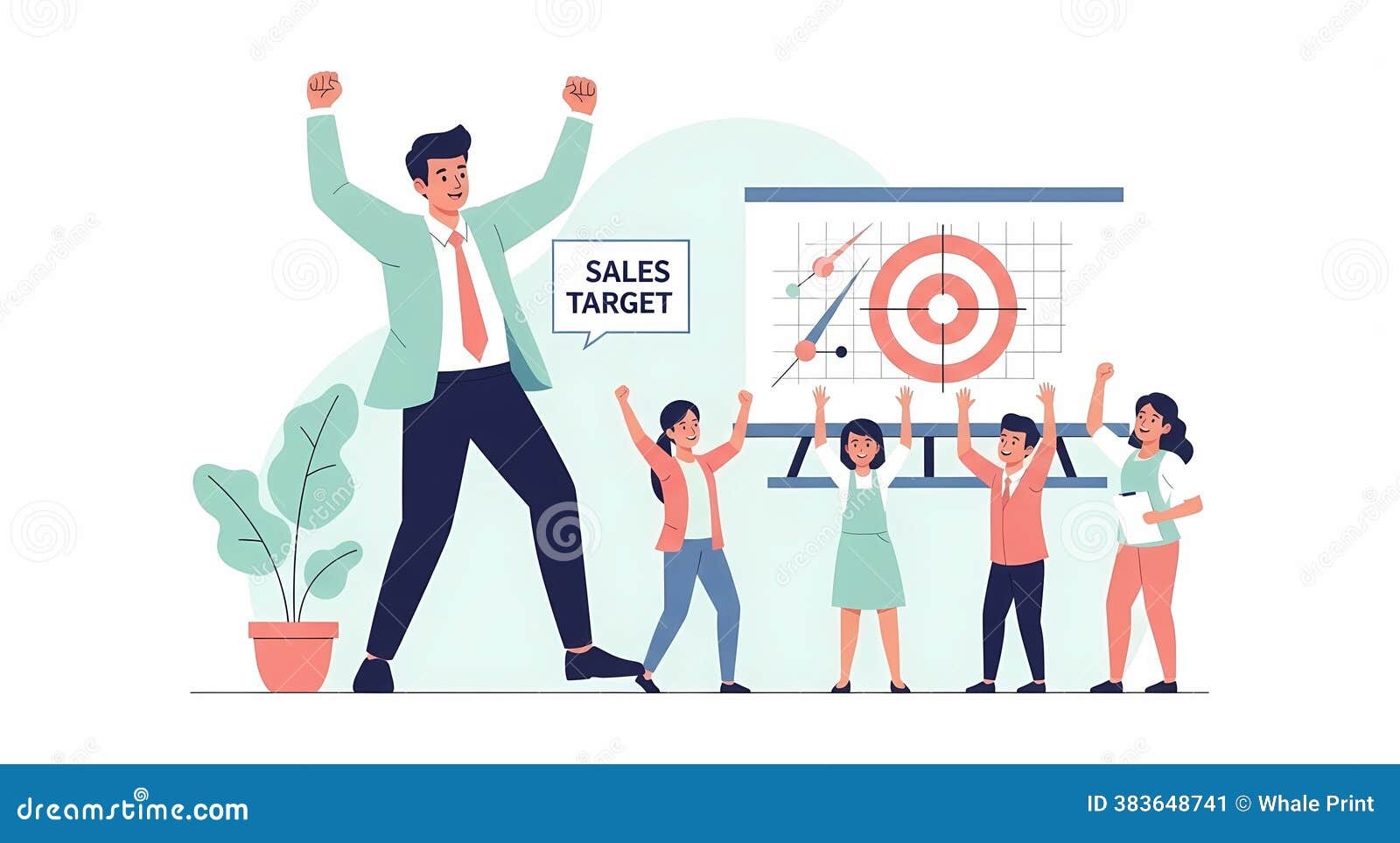
Motivate distributors, agents, and business partners by offering European hotel stays as recognition for achieving sales targets or exceeding quarterly goals. This approach:
- Drives competition among sales teams.
- Cultivates loyalty and continued business partnerships.
Example: An IT hardware distributor boosted sales by 25% after launching a campaign where top-performing partners won a luxury weekend at an Italian villa.
3. Nationwide Sweepstakes and Prize Draws
Open up your promotional campaign to a wider audience with Europe-wide hotel voucher sweepstakes. Publicity from such large-scale draws can dramatically increase your brand visibility and attract attention on social media.
Example: A beverage brand partnered with a hotel chain to offer 50 free hotel stays in top European destinations, generating over 60,000 new newsletter subscribers and significant social media share rates.
4. Product Launches and Grand Openings
Create excitement around a new product or business opening by offering hotel vouchers as part of a launch giveaway. These high-impact incentives:
- Draw attendees to launch events.
- Provide great talking points for PR and digital channels.
Example: When releasing a new skincare line, a cosmetics company offered the first 100 buyers an exclusive voucher to a wellness resort in Portugal, resulting in sellout success and impactful influencer content.
Practical Tips for Integrating European Hotel Vouchers into Your Promotion
To maximize impact, consider the following steps when designing your campaign:
1. Tailor the Experience to Your Audience
Understand your target demographic. Are you focusing on corporate clients, young professionals, or families? Choose hotel options that align with their preferences—business hotels near major cities for professionals, or countryside resorts for families.
2. Choose Partners with Reliable Track Records
Select reputable hotel partners or voucher providers. Collaborative companies like Bonoincentivo, with 18+ years' experience and established networks, ensure seamless bookings and robust customer support.
3. Prioritize Flexibility and Transparency
Today’s travelers value flexibility. Offer open-date vouchers or extend booking windows, and communicate all terms and conditions clearly to avoid disappointment and build trust.
4. Leverage Storytelling in Your Promotion
Highlight the stories behind the destinations. Curate sample itineraries or share testimonials showcasing the unique value of a European hotel stay. This will boost enthusiasm and help participants visualize the reward.
5. Monitor, Measure, and Optimize
Track redemption rates, participant feedback, and campaign ROI. Use the insights to refine your future incentives, ensuring continued improvement and effectiveness.
Case Studies: Success Stories Combining Hotels with Promotions
Case Study 1: Driving Employee Engagement in the Financial Industry
A multinational bank sought to improve employee performance during a Q3 sales drive. By offering top performers a weekend stay at five-star hotels in key European capitals, the campaign:
- Increased quarterly sales by 22%.
- Reduced staff turnover by incentivizing high morale.
- Generated internal buzz, increasing motivation across departments.
Case Study 2: Enhancing Customer Acquisition in Retail
A leading electronics retailer partnered with Bonoincentivo to include hotel vouchers with purchases above €400 during the summer period. Results included:
- A 30% increase in average transaction value.
- Doubling of new customer sign-ups to their loyalty program.
- Over 90% positive feedback from participants, citing the hotel voucher as a memorable and valuable reward.
Common Challenges—and How to Overcome Them
Despite their benefits, travel incentives must be managed thoughtfully. Here’s how to address common issues:
- Availability and Blackout Dates: Partner with hotels offering wide availability and minimal blackout periods. Clear communication upfront avoids customer complaints.
- Customs and Tax Considerations: In cross-border campaigns, verify compliance with local regulations regarding incentive taxation.
- Redemption Complexity: Ensure the voucher redemption process is straightforward. Provide detailed instructions and responsive customer support.
The Future of Travel-Based Promotions
The post-pandemic world sees a resurgence in business and leisure travel, with consumers valuing experiences over possessions more than ever before. By incorporating European hotels into your promotional mix, you position your brand as both relevant and generous, standing out in a crowded marketplace while building meaningful relationships.
As the value of strong customer and partner connections only grows, travel incentives—tailored, flexible, and aspirational—will remain a cornerstone of innovative marketing strategies. Companies ready to invest thoughtfully in these experiences will reap tangible rewards in engagement, loyalty, and long-term business growth.
Conclusion
European hotels offer an unparalleled opportunity to elevate promotional campaigns, delighting participants with unforgettable experiences and cultivating strong brand loyalty. Whether as part of a customer loyalty initiative, sales incentive, prize draw, or product launch, hotel vouchers represent a potent marketing tool proven to generate results.
Collaborate with trusted partners, design your campaigns with flexibility and audience preferences in mind, and measure your outcomes carefully. With the right strategy, your next promotion may not just reward your audience—it can transform your brand's reputation and business results.