Introduction
In today’s competitive business landscape, companies are constantly searching for effective ways to motivate employees, retain top clients, and drive measurable business growth. Among the many strategies available, travel incentives have proven to be a powerful tool for achieving these objectives. However, the critical question arises: how can organizations accurately measure the ROI (Return on Investment) of travel incentives and ensure these initiatives deliver real, quantifiable impact?
This article explores the methodologies, metrics, and best practices for assessing the ROI of travel incentive programs. Drawing from nearly two decades of experience at Bonoincentivo, we’ll present practical tips and examples to help your business make informed decisions and maximize your return.
Understanding the ROI of Travel Incentives
Travel incentives are more than just a reward—they are a strategic business investment. The ROI of such programs goes beyond the immediate gratification of travel, influencing key metrics like sales growth, employee engagement, customer loyalty, and brand perception. To unlock the true value, companies need robust methods for measuring impact.
What is ROI in the Context of Incentives?
ROI (Return on Investment) is a performance measure used to evaluate the efficiency of an investment—in this case, your travel incentive program. Simply put, ROI calculates the value generated against the costs incurred. For incentive programs, ROI answers a pivotal question: "Did this program drive enough incremental business value to justify the investment?"
Unique Business Metrics for Travel Incentive ROI
Unlike traditional investments, the ROI for travel incentives must account for both tangible and intangible benefits, such as:
- Incremental Sales: Uplift in sales directly attributable to the incentive campaign.
- Employee Engagement: Changes in morale, motivation, and productivity levels.
- Client Retention: Increased customer loyalty and reduced churn rates.
- Referral Generation: The value of new business generated via referrals by motivated stakeholders.
- Brand Advocacy: Enhanced brand perception and word-of-mouth marketing effects.
Measuring Impact: A Practical Framework
1. Define Clear Objectives and KPIs
Before launching a travel incentive program, set clear and measurable objectives. Is your goal to boost quarterly sales, reward top performers, or strengthen key client relationships? Establish Key Performance Indicators (KPIs) that align with these goals, such as:
- Percentage increase in territory sales over baseline
- Number of referrals generated
- Improvement in employee Net Promoter Score (NPS)
- Customer repeat purchase rate
Example: A leading pharmaceutical company worked with Bonoincentivo to motivate its sales force. KPIs included achieving 120% of sales targets and increasing market share in a new region. The outcome was tracked against these benchmarks.
2. Isolate the Program’s Impact
To accurately measure ROI, isolate the effects of the travel incentive program from other variables. Techniques include:
- Control Groups: Compare performance between participants and a similar non-participant group.
- Pre-Post Analysis: Measure key metrics before and after the program for the same group.
- Trend Analysis: Monitor long-term trends to attribute sustained changes to the program.
Example: An automotive distributor implemented a travel incentive for dealerships. By comparing the sales growth of participating dealerships with those not eligible for the program, the unique uplift could be attributed directly to the incentive.
3. Quantify and Analyze Tangible Results
Assign monetary values wherever possible. For example:
- Calculate incremental sales generated by participants versus control groups.
- Measure cost savings from reduced employee turnover linked to increased engagement.
- Evaluate the lifetime value (LTV) of clients retained due to incentives.
"Travel incentives yielded a 19% sales growth among top performers versus a 7% increase in the non-incentivized group," reports a Bonoincentivo client. With an average transaction value of €10,000, this uplift represents €1.2 million in additional revenue.
4. Evaluate Intangible Benefits
Not all benefits show up on the balance sheet immediately. Use surveys and analytics to assess:
- Employee satisfaction and loyalty (pulse surveys before and after travel)
- Social engagement (mentions, shares, press coverage)
- Brand sentiment (client interviews, online reviews)
Collect anecdotal feedback and qualitative insights to enrich your data-driven analysis. For example, several companies have reported improved teamwork and knowledge sharing as a direct result of shared travel experiences.
5. Calculate Overall ROI
The formula for calculating the ROI of a travel incentive program is:
ROI = (Net Gain from the Program – Program Cost) / Program Cost × 100%
Break down the ‘Net Gain’ to include all quantifiable metrics: sales, cost savings, and attributed business value. Balance this with the all-in program cost: travel, logistics, management, and rewards.
Example Calculation:
- Incremental revenue generated: €500,000
- Cost of incentive program: €100,000
- ROI = (€500,000 – €100,000) / €100,000 × 100% = 400%
Leveraging Analytics to Optimize Incentive ROI
Companies with mature travel incentive programs use data and analytics at every stage:
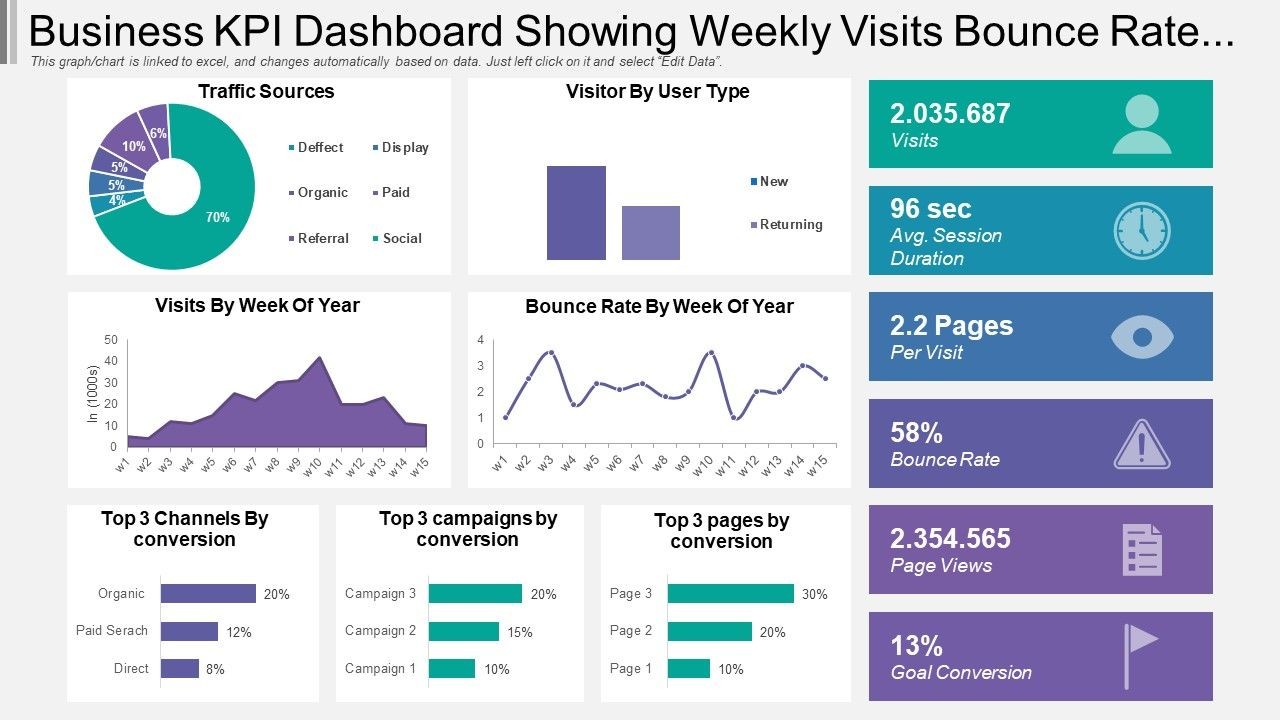
- Real-Time Reporting: Use dashboards to monitor program engagement and goal attainment.
- Participant Feedback: Capture insights via post-trip surveys and engagement metrics.
- Predictive Analytics: Analyze historic and ongoing data to forecast the likely impact of future initiatives.
- Optimization: Adjust programs on the fly based on performance data, refining reward structures or targeting methods.
Tip: Bonoincentivo provides clients with customized analytics portals, offering transparency and actionable insights throughout the program lifecycle.
Best Practices for Maximizing ROI on Travel Incentives
- Align with Business Strategy: Ensure every program supports your broader sales, HR, or customer objectives.
- Personalize Rewards: Tailor travel experiences to suit the preferences of top performers or key clients to maximize their perceived value.
- Communicate Effectively: Motivate participation through well-timed campaigns, teasers, and regular updates.
- Fast Feedback Loops: Gather and act on feedback quickly to improve both participant experience and business impact.
- Leverage Partnerships: Work with trusted providers like Bonoincentivo who can help design, manage, and measure your programs efficiently.
Conclusion: Travel Incentives as a Catalyst for Business Growth
Travel incentive programs, when designed and measured correctly, deliver far more than memorable trips. They drive sales, inspire excellence, strengthen loyalty, and bolster brand reputation. By applying a structured approach to measuring impact and ROI—rooted in clear objectives, reliable metrics, and actionable analytics—your organization can ensure every euro invested multiplies in tangible and intangible business returns.
With over 18 years of experience and more than 300 satisfied corporate clients, Bonoincentivo is your trusted partner in maximizing the ROI of travel incentive initiatives. Embrace data-driven decision-making, and unlock the full potential of your business’s incentive strategy.